![Guild of the Dragons -Knowledge Node [^]~~~~~Gratitude~~~~~[^] G0TD](https://guild-of-the-dragons.ghost.io/content/images/2024/02/depositphotos_1562554-stock-photo-golden-dragon.jpg)
SRT Clearing blocks to live highest potential
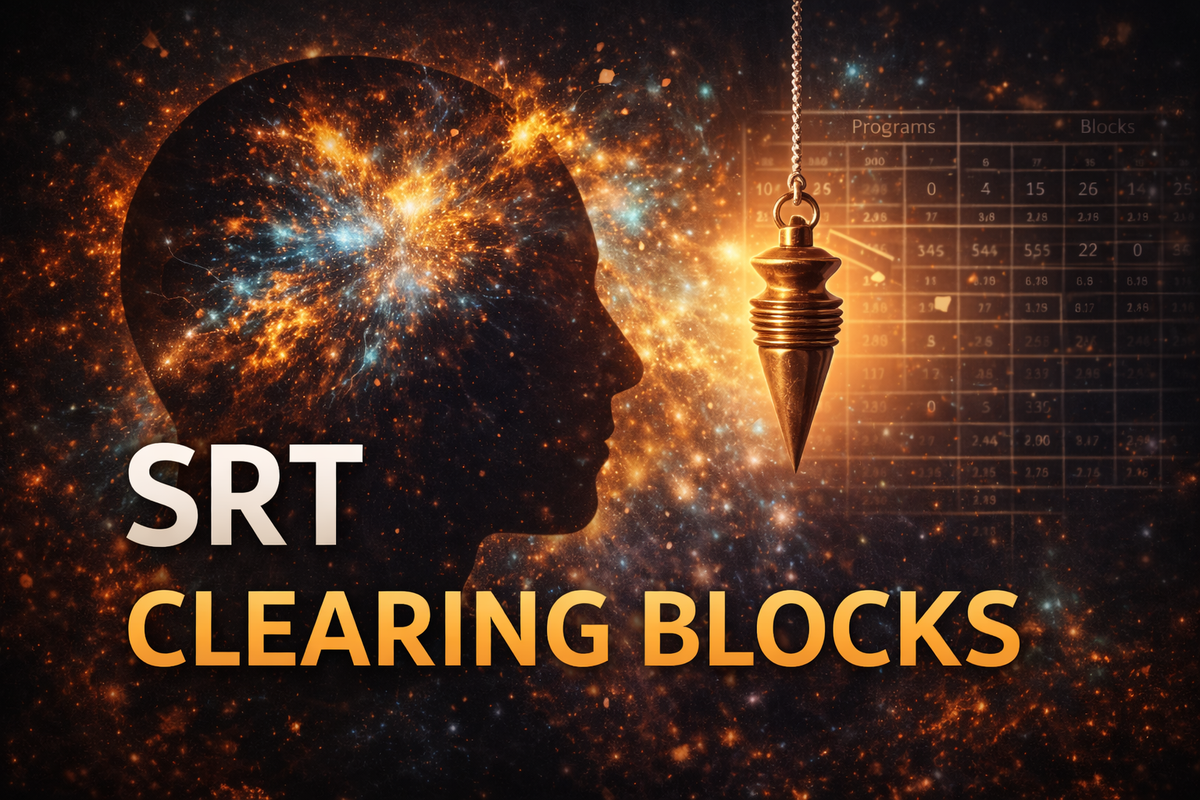
i dont see this often... its intriguing
Here’s a clean, grounded blog you can use or adapt for your site. It keeps it honest, respectful, and aligned with your Discovery Board philosophy.
What Is an SRT Clearing Blocks Practitioner?
Spiritual Response Therapy (SRT) is a form of alternative spiritual practice that aims to help people identify and “clear” subconscious or energetic blocks believed to be holding them back in life.
An SRT Clearing Blocks Practitioner is someone trained in this method who works with individuals to explore emotional patterns, belief systems, and internal narratives that may be affecting their mental, emotional, or life direction.
In simple terms:
An SRT practitioner helps people reflect on hidden patterns in their thinking and emotional world, using spiritual tools and guided questioning.
What SRT Claims to Work With
SRT is based on the belief that humans carry subconscious programming from:
- childhood experiences
- emotional trauma
- family patterns
- cultural conditioning
- and sometimes “past life” narratives (depending on belief system)
These patterns are referred to as “blocks”, and are believed to show up as:
- repeating relationship issues
- money struggles
- low self-worth
- lack of direction
- emotional stagnation
- creative blocks
The goal of SRT is not to diagnose or treat in a medical sense, but to bring awareness to internal patterns and release emotional weight through spiritual framing.
How an SRT Session Usually Works
Most SRT sessions involve:
- Guided questioning
- Muscle testing (kinesiology)
- Yes/no responses
- Spiritual or symbolic language
The practitioner may ask questions like:
- “Is this issue connected to a belief?”
- “Did this pattern originate in childhood?”
- “Is this inherited or learned?”
The process is designed to help the person recognize internal patterns and mentally or emotionally “let go” of them.
The Reality Check (Important)
From a scientific perspective:
SRT is considered an alternative or spiritual practice, not a clinically proven therapy.
There is no strong scientific evidence that muscle testing or energetic clearing works as described.
From a psychological perspective:
It can still be helpful because:
- reflection itself is powerful
- storytelling reframes experiences
- feeling heard creates emotional release
- rituals can support mental closure
So while the mechanism is spiritual, the benefits often come from:
awareness, introspection, and emotional processing.
What Kind of Profession Is This?
In real-world economic terms, an SRT practitioner is:
A spiritual coach or holistic guide
They usually operate in:
- spiritual communities
- personal growth spaces
- holistic wellness circles
They are not medical professionals and do not replace therapy, psychiatry, or healthcare.
Where This Fits in a Modern Talent System
In something like your Discovery Board, this role belongs under:
Coach / Guide / Spiritual Practitioner
With tags like:
- emotional guidance
- subconscious work
- holistic practice
- personal development
And should always include:
- clear philosophy
- clear boundaries
- disclaimers
- transparency about what it is and isn’t
The Honest One-Line Definition
An SRT Clearing Blocks Practitioner is:
Someone who uses spiritual and introspective methods to help people explore emotional patterns and belief systems they feel are limiting their personal growth.
Why People Are Drawn to It
People don’t seek SRT because they want mysticism.
They seek it because they want:
- meaning
- clarity
- emotional relief
- pattern recognition
- someone to sit with their inner world
SRT provides a symbolic language for self-exploration, which for many people feels more accessible than clinical therapy.
Final Thought (Aligned With Your Platform)
SRT isn’t about proving metaphysics.
It’s about how humans try to understand themselves.
And in that sense, SRT practitioners represent a real part of the modern human economy:
People who trade in understanding, reflection, emotional mapping, and meaning-making.
Not everyone needs it.
Not everyone believes in it.
But for some, it’s a legitimate doorway into self-awareness.